
Sewer Backup & Flood Control Systems
If sewage has ever come up through your basement floor drain during a storm, that's a combined sewer surcharging. There are real fixes for it.
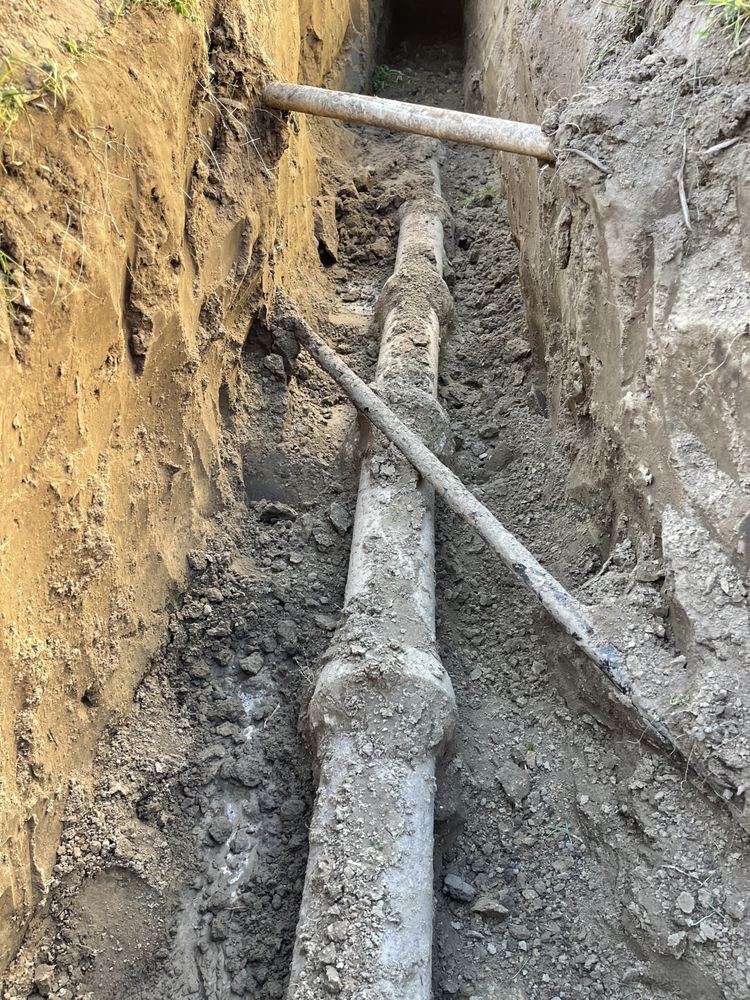
Much of Chicago runs on a combined sewer that carries both sanitary waste and storm water. In a heavy rain the system can surcharge, and when it does, the pressure has to go somewhere — which in a house with basement plumbing below the sewer line means up through your floor drain, shower, or laundry.
There are two broad approaches. A backwater valve installs in the building sewer and closes when flow tries to reverse, which is the less invasive option. An overhead sewer conversion reroutes your basement fixtures to discharge above the sewer line via an ejector pit, so a surcharge physically cannot back into the basement. The second is far more effective and considerably more expensive and disruptive.
We'll tell you honestly which one fits. A backwater valve is a reasonable measure for many homes and needs periodic inspection to keep working. An overhead conversion is what you do when you've already been flooded, have a finished basement, or can't tolerate the risk. What we won't do is sell you the bigger job by default.
When this is likely your problem
What's included — and what isn't
Included in the quote
- Assessment of your building sewer, basement fixtures, and existing protection
- Camera inspection of the sewer where condition is unknown
- Backwater valve installation with an accessible service point
- Overhead sewer conversion including ejector pit and pump where that's the chosen approach
- Rerouting of basement fixtures on an overhead conversion
- Testing and a walkthrough of how to inspect the system afterward
Quoted separately
- Permits, inspections, and any city fees
- Concrete cutting and floor restoration beyond basic patching
- Electrical work for an ejector pump circuit
- Finished basement demolition and rebuild around the work
- Existing sewer repairs found during the camera inspection
- Any rebate or grant application on your behalf
What drives the price
We quote after diagnosis, not before. These are the factors that move the number most on this particular service:
- APPROACHA backwater valve and an overhead conversion are very different projects.
- FIXTURESHow many basement fixtures have to be rerouted on a conversion.
- SEWERDepth, condition, and whether the existing line needs work first.
- FINISHESWhether the basement is finished, which drives restoration cost.
- PERMITSFiling and inspection requirements for the work.
Chicago note
Chicago and some surrounding municipalities have at times offered rebate or cost-share programs for flood control work, and requirements change. We don't administer those and can't promise eligibility — check with the City of Chicago Department of Water Management or your municipality before assuming a rebate exists for your address.
Related services
What the visit involves
Understand the pattern
Backups only in storms point to surcharge. Backups any time point to a blockage instead.
Camera the sewer
We check the line's condition before installing anything into it.
Price both approaches
Backwater valve and overhead conversion, where both genuinely apply, with our recommendation.
Install and demonstrate
We test it and show you how to inspect or service it going forward.
Questions about sewer backup & flood control systems
What's the difference between a backwater valve and an overhead sewer?
A backwater valve is a flap installed in the building sewer that closes when flow reverses. It's cheaper and much less invasive, and it needs periodic inspection to keep working. An overhead sewer conversion reroutes basement fixtures to discharge above the sewer line through an ejector pit, so a surcharge physically can't reach your basement. It's the stronger protection and the bigger project.
Which one do I need?
It depends on your risk and your tolerance for it. If you've flooded more than once, have a finished basement, or store anything valuable down there, an overhead conversion is what actually solves it. If you've never flooded and the basement is unfinished, a backwater valve is a reasonable, proportionate measure. We'll give you both prices and a straight recommendation.
Does a backwater valve need maintenance?
Yes, and this is the part that gets skipped. The valve has to be accessible and inspected periodically — debris can hold the flap open, at which point it isn't protecting anything and you have no way of knowing. Any valve we install goes in with a serviceable access point, and we'll show you what to look for.
Will this stop water coming through my foundation walls?
No. Flood control addresses water backing up through the sewer. Water seeping through foundation walls, cracks, or window wells is a different problem needing drainage or waterproofing, which is a different trade. Plenty of basements have both issues, and it's worth identifying which one you're actually seeing.
Is there a rebate for this in Chicago?
Programs have existed at various times and terms change. We're not the authority on it and won't build a quote around a rebate we can't guarantee — check with the City of Chicago Department of Water Management or your municipality directly before you plan the project around it.
Ready to get this looked at?
Call and describe what's happening. You'll get an honest read on urgency and cost before anyone comes out.