
Lead Service Line Replacement
Chicago required lead service lines by code until 1986. If your home predates that, there's a real chance yours is lead.
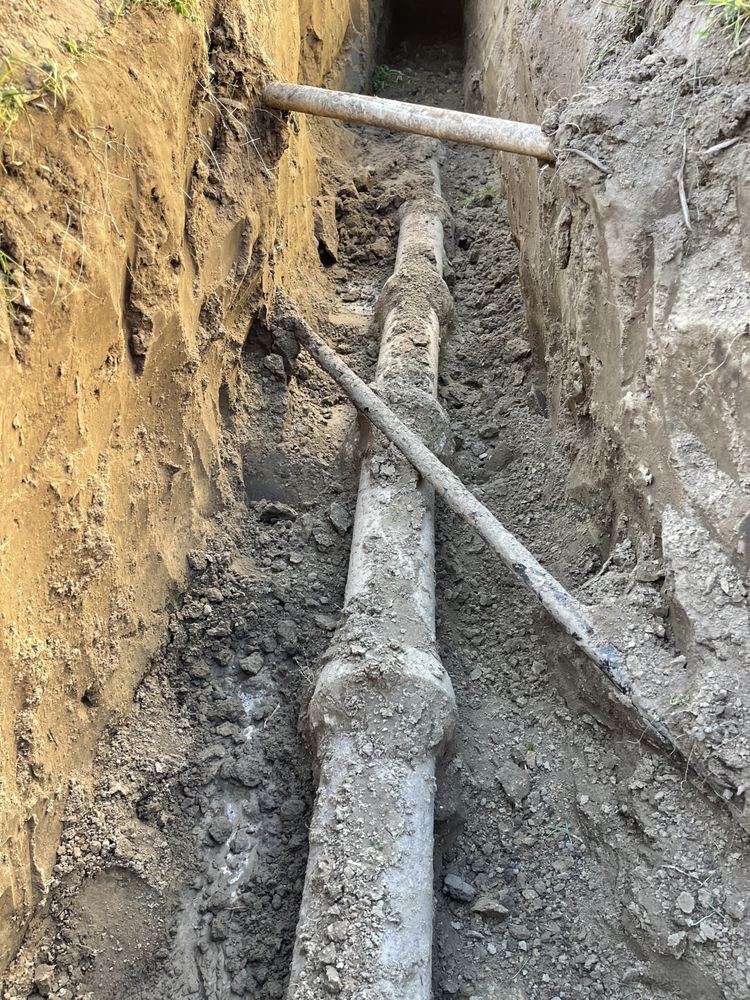
The service line is the pipe running from the water main in the street to your home. Chicago's municipal code required lead for these connections until the federal ban in 1986, which means the city has more lead service lines than anywhere else in the country — commonly cited in the hundreds of thousands.
The first step is not replacement, it's identification. Many homeowners don't know what material their line is, and it's often determinable: the pipe where it enters the building can be checked visually and with a simple scratch and magnet test, and the City of Chicago publishes a service line material inventory you can look up by address.
If yours is lead, replacement is the permanent fix. We'll be straight about two things, though. First, partial replacements — swapping only the private portion while leaving the city side in place — have been associated with temporarily increased lead release, so a full replacement is generally preferred where it's achievable. Second, this is a permitted job with city coordination, and anyone quoting it as a quick swap is skipping something.
When this is likely your problem
What's included — and what isn't
Included in the quote
- Identification of the existing service line material at the point of entry
- Assessment of the route, depth, and replacement approach
- Permit application and coordination with the city where required
- Replacement of the service line with approved material
- Connection at the meter and at the building
- Backfill and rough grading, and pressure testing before restoration
Quoted separately
- Permit and city fees themselves
- Restoration of landscaping, sidewalk, driveway, or parkway surfaces
- Interior plumbing replacement beyond the service connection
- Water testing and laboratory analysis
- Filter systems, which we can discuss but are a separate purchase
- Any rebate, grant, or program application on your behalf
What drives the price
We quote after diagnosis, not before. These are the factors that move the number most on this particular service:
- LENGTHDistance from the main to the building, which varies a lot by lot.
- METHODOpen trench versus a trenchless pull, depending on the route and what's above it.
- SURFACEWhether the route crosses sidewalk, driveway, or parkway.
- SCOPEFull replacement versus partial, and what the city's portion involves.
- PERMITSFiling, inspection, and coordination requirements.
Chicago note
Before paying anyone for an assessment, check the City of Chicago's service line material inventory for your address — it's public and free. Chicago has also run assistance and replacement programs with eligibility rules that change over time. We don't administer those and won't build a quote around one, but you should check with the Department of Water Management before assuming you're paying full cost.
Related services
What the visit involves
Identify the material first
Scratch and magnet test at the point of entry, plus the city's published inventory. This step is often free.
Assess the route
Length, depth, and what's on the surface determine method and cost more than anything else.
Permit and coordinate
This is permitted work involving the city. We handle the filing and scheduling.
Replace, test, restore
New line in, pressure tested, trench backfilled and rough-graded.
Questions about lead service line replacement
How do I know if my service line is lead?
Find where the water pipe enters your home, usually near the meter. Scratch it gently with a coin: lead is soft, dull grey, and scratches to a bright silver. Then hold a magnet to it — a magnet will not stick to lead, but will stick to galvanised steel. Copper is unmistakably copper-coloured. You can also look your address up in the City of Chicago's published service line inventory, which is free.
Is a partial replacement good enough?
Generally we'd advise against it where a full replacement is achievable. Replacing only the private portion and leaving the city-side lead in place has been associated with temporarily elevated lead release, partly from disturbing the pipe. If circumstances mean only a partial is possible, that's a conversation to have with the water department about how the remainder gets addressed.
Is my water unsafe right now if I have a lead line?
We're plumbers, not a public health authority, and we won't tell you what your exposure is. What we can say: lead exposure risk is taken seriously enough that federal and city policy is moving toward full replacement, and if you want to know what's in your water, the Department of Water Management offers testing. Certified filters are an interim measure many households use while waiting on replacement.
Does the city pay for it?
Chicago has operated assistance and replacement programs with varying eligibility over time, and terms change. Check directly with the Department of Water Management rather than relying on a contractor's summary — including ours. We'd rather you found out you qualify than had us quote a full-price job you didn't need to pay for.
How long does replacement take?
Most single-family replacements are a matter of days on site once permits are in hand, though permitting and city coordination add time before that. Water is off for part of it. Route length, depth, and whether the line runs under a driveway or sidewalk are what move the schedule most.
Ready to get this looked at?
Call and describe what's happening. You'll get an honest read on urgency and cost before anyone comes out.